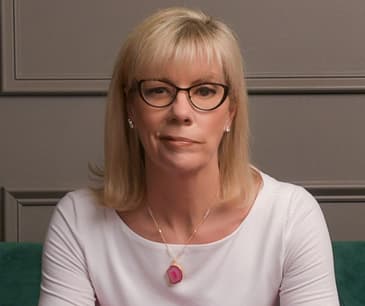



Talking with Jim about her book, You Don't Have to Achieve to Be Loved, Becca guides us in understanding 4 phases we go through to emerge to a new understanding of who we are and who we want to be.
You haven't wasted your time, but it's also okay to shift to who you are now!
Don't regret your past and don't regret your future. Be intentional in your journey!
https://biguniversepodcast.comhttps://morebeccapearce.comJoin us to find out how.
This podcast is a part of the MindBodySpirit.fm Podcast Network
Visit us at www.mindbodyspirit.fm
Explore modern spirituality, creativity, and self-development. Delve into the intersection of metaphysics and science through great conversations. Where do you find your truth? It's a big universe. Hi, everybody. Welcome to Big Universe. I'm Jim Lefter. I'm your host for today. I'm a spiritual journeyman and media producer type guy. Take a look at our new website, At biguniversepodcast.com, you can search a whole collection of fantastic guests, including people like Julia Cameron and Neal Donald Walsh and Raw Goddess and Marie Diamond and so many others. So check that out at biguniversepodcast.com. Now, my guest today opens us up to shedding past beliefs about who we really are and the work that we do. She's working to guide us to a new understanding of success for modern times. Becca Pierce spent much of her career as a corporate warrior leading teams at CareFirst, Blue Cross Blue Shield, and Kaiser Permanente before being appointed CEO of Maryland's Health Benefit Exchange. After a very public separation from the exchange, Becca was diagnosed with a brain tumor triggering a life-altering health battle that forced her to redefine success. Today, she's an inspirational speaker, growth strategist, and executive coach. Her book is You Don't Have to Achieve And her website is morebeckapierce.com. Becca, it's so wonderful to have you. Thanks for joining us on Big Universe. Thank you so much for having me. It's nice to talk to a fellow Marylander. I was telling Becca beforehand I'm wearing my Ocean City, Maryland t-shirt. So respects, all respects to Maryland. Yes, of course. So you had a harrowing journey to get to where you are today. You had to change your mindset, your beliefs about your health, and then your work. Tell us a little bit about your history. Yeah, you know, it's interesting because there were so many things that, and I don't often talk about the mindset shifts I needed to make about my body and my health there. But the mindset shifts that I talk often about is for 43 years, I was an overachiever. I was raised in a family where you were raised to be smart and smart was rewarded. And, you know, my dad was a doctor and my mom also worked at Hopkins. And it was, you know, achieve, achieve, achieve, achieve. And I really believed that that was how you earned love. And when I lost my job quite publicly, that first thought was shattered. It was like, well, who am I? If I am no longer this and I'm no longer achieving, who's going to love me? And so that was the first thing that completely shattered. It was an identity just gone. And what I realized at the time, and I actually have a blog about how to recover from an ego blow, where one of the main things is recognizing what other people see in you at that time. You know, people loved me and I just didn't see it because I was such an overachiever, right? It was in my daughter jumping up and down on the couch saying, oh my God, I can't believe mom's going to be home. It was in, you know, my friend saying, dude, you were the fall guy. Don't worry about it. It was in my husband telling me, come home. You know, it was all around me. I just didn't see it at the time. So that was the first major challenge that I had to really rethink. And the second one was 16 months after I lost my job, I was diagnosed with a brain tumor. And the beautiful news, it was benign and operable. I'm still here. And I do live 11 miles from Johns Hopkins Hospital. And so I had amazing care there. And at the same time, I had also believed in this overachieving thing in life also was me overachieving in my body. I'm a big runner and I just believed if you run harder, if you just work harder, if you just do keep pushing more and more and more, then you'll get some results for it. But the truth is you have zero control over your body. My facial nerve, so the left side of my face was completely paralyzed because my facial nerve was damaged during the surgery. And there is nothing you can do about it. You can't exercise your face out of it. You can't will your face out of it. You can't do anything except for sit and wait for your body to recover. And so that was the second time that I had to really recognize that there are times in your life that working harder doesn't fix it. Right, right. And so the both of those put together are major... you know, mindset shifts for me to recognize like, oh, yeah, I thought I was in such control of my life. And really, I had no control whatsoever. Well, we're definitely going to go down the road of looking at the phases as we turn through how to readjust our lives. Because we all have to do that at one point or another. And for some of us, I've been through some challenges myself. I'm sure many people have. When you, your whole, we're taught from a very young age, especially in our society, that we are our jobs. It's just the way things are taught to us. And so when you lose that identity, I went through a free-for-all. I was like, what the heck am I? This is what I thought I was, and I'm not that anymore. It comes into self-worth and having permission from ourselves to move forward in a different way. And you talk about all that in this. I think that's really, really interesting. Why did we, why do we have this image of success? Where does it come from? Yeah. So I think, and I did a lot of research about this for my book. And I think there's a couple of different places in first and foremost, it's actually in the language that we use. If you think about like you just brought up, when you talk to a child, you say, what do you want to be when you grow up? You don't say, what do you want to do when you grow up? So automatically there's an assumption in that language that what you be equates to your identity. And there are other things too, just in the language. If you think about, if it goes all the way back to, if you know anybody with the last name of, you know, Smith or Miller or anything like that, what you don't realize is they were that job. They were the blessing. They were the Miller, right? They were those things. And so you don't equate that now. But way back when, even then, there was that equation, that connection between the two. But I really think that the definition of success, at least, really comes from the definition of the American dream. Because the American dream assumes financial success. The American dream, if you look up the definition of it, talks about going as far as possible as you can. And so there is that push for bigger, better, faster, more, and then also assume some sort of financial success. So that push for every single one of us is given to us through society, given us through, oh, it's the American dream. You can try and you can do it, right? But there's an innate belief that you must continue pushing as well. Well, and I've had the experience. I grew up with my dad who I love very much. We had a great relationship, but he was very much a workaholic in a lot of aspects of his life. And so I internalized that too. Again, my identity is my job and I do good work. And what struck me in your book was even though you had been diagnosed with a tumor, you felt the need to continue to go into work. and push things in the old path that you thought you were supposed to follow. Tell me about that and tell me what you did to change that. Yeah. And to back up just a little bit to tell everybody the story. So I went in for an MRI of my brain and I went to advanced radiology or, you know, something like that. And they handed me the DVD and they said, you're going to need to talk to your doctor. And Of course, what I did is I came home and I put that damn DVD in my computer. It was back when we had DVD players or whatever in the computer. And I looked at it and anybody could look at that and say, oh my God, there's a huge white blob in the middle of your brain that's not supposed to be there. And the first thing I did is I went for a run. I mentioned already, I'm a big runner and this is how I process anything. And so I went for a run. And that was at 11 o'clock in the morning because I just, I needed to process. I didn't even call my husband, whatever. But the next thing I did is I changed my clothes and I went into work. So I was, I diagnosed myself with a brain tumor at 11 o'clock and at two o'clock I was at work in an air quote important meeting because it felt like, Oh, this is so important. And the, I need to do it. This is the only place that I know to give value. I equated to like, oh, if I'm sick, then I'm not valuable, right? And so it was my push to go back into the office to continue who I was. And so how did that finally shift? Post-surgery, it took me about six months to go back to work. And when I went back to work, I could go through a litany of five to 15 things that still were a problem. And so it took me once I was at work a good another six months to be able to be at the point where I felt like I could do the job again, because I felt like I had to prove that I could do the job. Because when I lost my job publicly, I was like, oh, well, I'll just go back to being a CEO again in a couple of years. I'll get right back on that path. Right. And then once I proved to myself that I could do it, because at that point there was a little bit of like, darn it, this brain tumor is not going to beat me. And so that's why I pushed myself to go back to work. But it was at the moment that I realized that I could either put my daughter on the bus at nine o'clock in the morning, or I could figure out somebody to take her to the bus because I had an 830 meeting that, again, was super important. And I was like, oh, no, no, no, no, no, no, no. This doesn't matter to me anymore. That's not what matters. The title, the money, all of these things that I had been told my entire life, those are all a lie. The only thing that really matters is time. And for me, time with my family. And so that's when I began to truly challenge all of that thinking, all of those core beliefs I had about the definition of success at that moment is what happened. Tell me about the impact of leaving being a CEO at the Maryland Exchange. That was a harsh thing for you to deal with because, I mean, I have dealt with some of that kind of thing and it's a Kick in the gut? What was your experience there? It was a kick in the gut. In fact, I remember one of my friend's fathers was like, I mean, you lost your job. Who cares? Move on. And I was like, oh, you have no idea, right, what is happening to me. Because when your identity gets so tied into it, and so for me, you know, things change. didn't turn on the way they were supposed to. At the same time, I was putting everything that I could into fixing it. You know, we had multiple different consultants in there saying she's the right person to try and fix this and move forward. And still I lost my job. And so at one point, my husband actually, so at three o'clock they called and said, oh, you need to go. Where's your letter of resignation? And at 10 o'clock PM that same night, My husband had to call me and say, Beck, they fired you. Come home. I just refused to let go because I didn't want anybody to think that I had given up. And so my immediate reaction is movement. This is how I deal with things, is movement. So I cleaned out every drawer. I went for a run every day. I took care of other people's kids over Christmas. I took my daughter to New York. Like all of these things in movement. And it wasn't until January when the movement stopped. That I really had to sit with this pain and this anger and this embarrassment and this shame before I could begin to move on and say, okay, first of all, nobody else really cares. Right? Why am I so upset about this? Because I... I wanted to succeed, but it's not all of who I am. I have all of these things that are valuable to me in my life. And it was finding those things that allowed me to move on. I remember from earlier in my life, I was encouraged to go to a lot of motivational speakers and people that, you know, pushed on, on business and success. And, you know, and I, I joined in for a while. And, and eventually for me, it came to, I came to realize, and it took a long time that the path they were kind of pushing me along was not really where I wanted to be. It wasn't, you know, I, I appreciate, I appreciate people who want to follow that path. But I think we're not always cognizant that that's not the only path, you know, that we can choose to navigate things differently. We still have to work and we still have to do things you know, to maintain and all that sort of stuff. But for me, it's an exercise in realizing, hey, you know what? Just because all these other people are saying it goes this way doesn't necessarily mean that it has to. Yeah, for sure. I mean, I think especially, you know, I would say, especially for women, tell me if this is true for men too, that you're sort of sold this, if you say yes to everything, you're 22 years old, you graduate from college or you graduate from high school and you're told that if you say yes to everything, every opportunity that's handed to you, you're going to feel good at the end, that success and happiness are equated. And they aren't necessarily, right? And this is your definition of success by saying yes to everything and climb that ladder and do everything that you're supposed to do. And then when you end up with the white picket fence, then you're going to be happy. Yeah, it's definitely, I think it's true for men too. I think women, just from my perspective, women probably have the urge or push to say yes to everything a little more often. But I also feel like from my perspective, not only did I have to say yes, Yes, but I had to be extremely successful and there had to be a monetary value to it, which I'm sure you've experienced too. Yeah, which I think also when I think about, because I did some research on this as well for the book, I think for men it's sort of that white knight kind of syndrome where I'm taking care of you and so that's where that financial piece had to tie into success as well. One of the great things you do is you unpack... the various phases of basically transitioning to a new approach, to getting to a new track to go on. And I thought we might go through those. I'll mention, if it's okay to go forward in this section, I'll just mention the four first, and then we'll dive in a little bit to each of those. So the first phase is Unfortunate Awareness. The second phase is mourning the past. The third phase is one foot in, one foot out. And the fourth phase is clearly me. So unfortunate awareness. Tell me what you mean by that. Yeah. And so these are the four phases of change that I see everybody go through, regardless of how big that change is. So that change can be as little as a New Year's resolution. You know, they can be as little as I'm going to go to the gym once a week. Right. Or as big as, you know what, I'm going to leave my religion or I'm going to, you know, change my life completely. Right. So the unfortunate awareness is when you wake up in the morning and you realize that something's not right for a lot of people. This feels like just unease. Just there's something I'm not as happy as I thought I was supposed to be kind of words or. Why isn't this making me feel good? But it's unfortunate awareness because you're now recognizing that something's not right and you can't unsee it. But, and sometimes it's, I mean, it's an external thing that happens to you, like with leaving the exchange. And I've had this experience too. It's like, well, that was unexpected. And now I have to figure this out. Yes, right. And I think also, um, Like, it's sort of interesting, because as I wrote my book, I realized that I was forced into this situation. And so I was forced twice. You know, the first time I was forced to kind of redefine where I wanted to go, but I got right back on that same path. And it wasn't until the second time that I thought to myself, I didn't listen the first time. And now I need to really make a change. But for a lot of people, too, yes, it's some sort of something that's handed to you. But even if it's not, there is that sort of slow awakening where you kind of go, huh, yeah, no, this either this person isn't making me as happy as they used to or I'm not feeling as good as I, you know, there's there's that unfortunate piece that you're kind of recognizing. I just really am not as happy as I thought I wanted to be. There was one moment for me, and I'm not going to personalize this. I swear, I swear I'm not going to personalize this whole thing. But there was this one moment for me where I decided to take a job because I liked the title. I liked the money. But it was managing in a way that I did not cotton to. It was not me to do it. But I took it anyway. It ended not working out for me. And I look back and I think, I knew I shouldn't have taken that. I didn't want it and I did it anyway because I felt like that was what I was supposed to do. Wow. Yeah. How long did that last out of curiosity? Well, you know, I did it for about a year or so and I had some health problems and it got very complicated. And by the time it was time for me to go back, it was like, this is not a good match. This is not, this does not work. And I think the interesting thing, too, is that, you know, at least my generation, I'm Gen X, where it was also that, well, you need to stay in a job for at least a year, if not two years. Right. So I would bet that in that entire year there, you were shooting yourself into staying into that job, even though you didn't really want it. Yeah. Yeah. Talking about core beliefs that we carry with us. Us, right? Yeah, yeah. The second phase is mourning your past, mourning the past, and kind of recognizing that you're not living the life you really wanted to live or needed to live. Talk to me about that a bit. Yeah, so the interesting thing is once you're in unfortunate awareness and you realize that this isn't what you wanted, there are a couple of reckonings that you need to come to terms with. And one of those is that very core belief that for me and for many of my clients is some version of I must achieve to be loved. But for a lot of people, it's something similar, right? Like I must make money to be loved or I must provide for my family or something along those lines. So you come to terms in unfortunate awareness with what those core beliefs are and you make a decision about whether or not they still fit you. For many of us, they served us for a really long time. They got us to where we are. That's great. That's where mourning the past comes in because at the point that you realize you're like, okay, well, I no longer have this core belief that I have to achieve to be loved. Well, then who am I, right? How do I move forward from there? And then you look back and you say, but I liked that person. For me, I liked that CEO. She was kind of a badass, right? Like I liked that she could do those things, right? And so if not that, then what am I going to carry with me? How am I going to move forward? I have a client who said to me, you know, I don't like, I didn't like my marriage, but I liked being married. Like, I don't like my husband, but I like being married. So you're letting go of that identity and the hopes and dreams that came with that identity. So that is where it becomes mourning the past. And you're in this phase of like, oh, but if not that, then what? And that's that phase two. And it's important not to look back and say, I've wasted my time by doing this. That, I think, is one of the biggest things that I say to people is that, you know, do not demonize that person. Do not think that that person was a bad person. Do not think you wasted your time because that person did get you to where you are now. And that person did serve you. There was a reason that you had that core belief. There was a reason that that core belief drove you. And that's OK. Right. And you have the ability to change. And that's one of the things in the book is that it's OK to want something new. even if you spent 12 years in medical, going to medical school, doing all of the fellowships, all of those things, and you decide that you don't want to practice anymore, that's okay. Right. And recognizing that you can let go of all, again, all of those hopes and dreams that that version of you had. And looking at it, maybe not as wasted time, but as the path that got to, to where you want to go now. Exactly. Exactly. Because think about it. Like, had you not Had you not taken that job, you probably wouldn't realize that your core values were being stomped on and that's not who you are as a leader, right? And all of those things got you to the point where you could step away and go on the journey that you're on now. Okay, so phase three is one foot in, one foot out. Balancing new stuff, the familiar with the familiar. Talk to me a little bit about that. This is really interesting because this is where all the social and emotional ties come into the change process. So up until now, you've kind of been dealing with the change yourself. And it will go to the very simple thing of I've decided to go to the gym on Wednesday nights. Right. And you're like, OK, well. I want to make the change. I'm not happy. I'm not feeling really good about, you know, I could use a little bit more energy. I'm not liking the way my body looks. That's the unfortunate awareness. And then you go into the morning, the past phase, you're like, but I kind of liked, you know, I kind of liked not having the stress of going to the gym. And she was really fun because she didn't worry about anything, that type of thing. The social emotional ties come in at this point in what are my friends going to say? What's my family going to say? Right. So this is such a big change that you're making that all of a sudden you are looking around and going, well, if I make this change, what are people going to say? Who, you know, are they still going to like me? And going back to this, you know, Wednesday night, you know, normally you go to wing night on Wednesday night with your friends. Well, all of a sudden you got to tell your friends that you're not going to wing night because you're going to go to the gym. And what are they going to say? They're going to be like, oh my God, I can't believe you're going to the gym because that makes them look bad. Right? So all of these social emotional ties come in in this phase and you begin to question yourself and you go, oh, but it is comfortable because what is comfortable is easier. And even though you know you want to move towards this new direction, it's uncomfortable because you probably do need to find new friends. You probably do need to find different people who feed you in a different way. And so that's why there's one foot in, one foot out. Your brain is consistently saying, no, but if we stay here, then this. And your heart is saying, no, but I know I want something different. So it's a head and heart challenge. And you talk about this a little bit in the book with how you've, your friends, you've gotten along with friends through the years. And it is also a shift in how you relate to other people, you know, friendships that you've had, friendships that you have, because you are changing your process and who you are. Well, not necessarily changing who you are, but you're going along the process and evolving to where you want to go. And naturally those relationships, they, they change. They, it doesn't mean it's a bad thing. Just like, um, talking about, you know, the person that you were when you were at a particular job, it's accepting that, okay, this is just a different way of relating to this person that isn't the same that it used to be. Yeah. And I think that's the most important thing is this, um, recognition for you if you are in this space of who feeds you and who depletes your energy, right? And recognizing because that's where you begin to recognize like, oh, like I'm hiding what I'm really doing or I'm afraid to tell them because I think they're going to make fun of me or something like that. Like those are the ones that like, okay, yes, it's okay. You can still love them. But if they're not going to love you for the new you, then they sit somewhere else in your life and not necessarily next to you as you're going on this journey. So clearly me is the fourth stage. Yeah, so once you kind of are in this one foot in, one foot out, for a lot of people, when you're making a huge change, for the people that I work with, usually there's some financial piece in there. There's some financial decision. Like what if, how am I gonna monetize this change? Like I've been doing this job for 20 years and I need this income and it's the only thing I know, right? So there is a, before you get to clearly me, there's a decision point where you ultimately need to truly decide, okay, I'm all in on this. And for me, quite frankly, it was me working with a coach. I had a coach when I was becoming a coach And he just looked at me and he said, well, are you a coach or you're not a coach? And I was like, well, duh, I'm a coach. He's like, then act like it. Like, what are you doing? Like, you're still trying to go back to your insurance world. And so for a lot of people, there is a very distinct decision point. But after you get past that decision point, that clearly me phase is a space where you go, I am unapologetic about who I am. I have been on this journey. I believe this to be true. I'm willing to say it to whoever wants to listen. I don't care who's going to be offended by what I have to say, like, because this is who I am now. And so once you finally get there, that's the space where, you know, the metaphorical birds are singing kind of thing. And you had an encounter with an opportunity that came up for you at that decision point where you could have gone for that path of more money and maybe more prestige or whatever. And you had a conversation with your husband about that. Tell me about that. Yeah. So I got an amazing job offer out in California. Again, I'm in Maryland, so it would have been clear across the country. And it was to run a huge piece of business in a market that I understood. And I really felt good about it. And to me, it proved to me that, oh, I was still relevant. And so all of that old Becca, just as soon as that job offer came through, because they were like, listen, we're not going to interview anybody else until we talk to you. And I was like, like, this is amazing. Right. And, um, all of that old piece came back and it was like, oh, look at you. You'd have power. You'd have prestige. You're, you know, uh, Influence right all of those things, but my husband looked at me and he said I can't come up with any other reason that we would do this other than greed. I would never see you your daughter would never see you you'd move us across the country to a town that we don't know. Like, why would we do this? And, you know, for him, he didn't have all those other things tied to it. He didn't have the prestige and the power and all of those things tied to it. He just saw, you know, a dollar sign that he didn't care about. And so I said, I get that. but here's the thing I'm about to, you know, I'm, I'm trying to start this new business. And if that's the case, I need two years to build it. And not only that, I need us to give money to my business. Like I need us to contribute to the business. I can't ask a bank to fund my business without us deciding to fund it first. If I don't believe in it and we don't believe in it, we can't do it. So that was the type of discussion that we needed to have. And fortunately my husband and I can have those conversations and, And it was then that I finally said, OK, I'm in. Let's do this. Along with the phases, you have a kind of a secondary theme about 10 key realizations. And people have to read the book to really get this stuff. But I thought we'd go through those real quick and just sort of mention them so that they can get an awareness before they jump into the book itself. Yeah, the book is laid out in a way, it's interesting, when I was, first and foremost, it took me 10 years. It's been 11 years since my surgery, and it took me 10 years to write the book. And part of that was because I just never really believed that anybody would read a book, right? Nobody reads memoirs. And in fact, my publisher very much had a conversation with me, and she said, I understand you have a story to tell. Nobody reads memoirs unless you're famous. And I was like, got it. So the book is written and my story is in there so people can read it, but it's only in so much that you understand how it relates to you. In fact, I tell a story in the beginning of each chapter and then say why this matters to you very specifically so that you can go on this change journey. But each one of the chapters is very specifically a core challenge or a realization that I came through during my And my purpose for writing the book is I don't want people to have to go through the years of heartache and pain that I went through to realize that there's way more to life than the title and the power and money and all of the things that were told and sold when we're younger. Yeah, that's very cool. That's very cool. So the first realization, I think, is the biggie and what you, you know, the book is about started titled with, you don't have to achieve to be loved. Yes. Tell me how you came to that. So, you know, each one has a bit of a story and I'll give a short version of this story. But the short version is post-surgery, my neighborhood did a food train for me. And I could not understand to save my life why on earth these people would be bringing me food because I had just lost my job a year before. I was still embarrassed. I had never done anything for them. I probably couldn't name the people on the street. So why would they do something for me? And that realization, it seems so kind of minuscule and minor, especially for people who recognize that that's just plain humanity. But for me, it was that realization that completely changed my trajectory on everything. I was like, oh, wait, people love me just because I'm human. Oh, my gosh. Like that means that I don't have to achieve again, that I can find time for my family and I can do all of these things. It was so truly mind blowing for me that it became the title of the book and also, you know, just changed the trajectory for me. Yeah. The idea that people could invest their feelings and the things they gave you in a different kind of investment to you. Yeah. And time and energy. And that somebody would give me time and energy when I hadn't given it to them to begin with. It's as if emotion and energy was transactional for me before that. So realization two is... Time is all that matters. What do you mean by that? So when you receive a diagnosis, which every single one of us receives at some point in our life, unfortunately, I can tell you right now that the only thing that will go through your mind at that time is time. The only thing that matters is more time with the people that you care about more time to do what you want to do. And, um, it, it seems cliche, right? It's cliche for a reason. The reason that anybody who has had a life-changing impact on their life tells you that time is the only thing that matters is because time is truly the only thing that matters. And we have been put in a situation where we have been dealt that to us, right? And we've had to live it. And so in that chapter where I talk about you know, and just kind of bring to light for people, like, how do you spend your time today? How are you investing your time? How are you living your life? Because we live our lives on the phone for two and a half hours on social media every day. We live our, you know, on average, like, imagine if we had two and a half hours a day to actually have a conversation with our family. Totally different world, right? So that's the second realization, because once you pair that with the core understanding that you have a core belief that may be driving you, all of a sudden you say, oh, well, those two things taken together, very different, right? All of a sudden I have the chance now to make a change in my life and do something completely different with it. And sometimes the world is very flashy and the news that comes across is very flashy and, you know, all our devices are flashy and, you know, we can... I realize that I spend too much time doing it. You know, it's like I've gone into that world instead of paying attention to what's like really happening in my life. Yeah, right. Exactly. I think that that's really, you know, especially if you wake up and you look at your phone, you've handed your day to somebody else before you've had the time to spend the time with yourself to understand what you need out of the day. And then realization three is vulnerability is the key to lasting change. That's a hard one because, you know, we all put up these kind of barriers to protect ourselves. Tell me about that some more. Well, and yeah, I mean, so this is interesting. And I refer to Brene Brown a lot in this chapter because she is the guru on vulnerability and shame. And what she says is without vulnerability there is no change if you think about it if you're learning it'd be as simple as learning something new like I'm going to learn how to dance well you got to get it wrong before you got it before you get it right right and so that's vulnerable and so if you live in this space where you're never going to be vulnerable at all you're always going to live in a space where you never do anything different because these are the things that you know and so there can be no change and so Again, I was forced into vulnerability. My vulnerability was physical. I fell over all the time. My daughter caught me falling down the stairs, you know. And so I was forced into vulnerability. But what I realized is that vulnerability makes you human in a totally different way. And from a leadership perspective, if you're a leader listening to this, you should also recognize that vulnerability makes you a better leader. Okay, this is a tough one for me too. Realization number four. You are not your job. And we talked about that earlier, but man, what do you say to people? You don't want to follow that path anymore, but what do you say to people? The first question is always, what do you do? What do you do? Right. What do you say to that? So it's interesting because I was, I don't even remember who said this. I always like to say who said it, but I don't remember. But in other cultures, they ask, are you happy? Hi, are you happy? Interesting. Right. Why do we care? Why do I care now? Now, ultimately, we ask that question because it it puts people in a social class or or in Baltimore, where I am right now. It's Baltimore. Right. All of a sudden you try and do the, you know, oh, who do you know game kind of thing. Right. Right. But very much so. As you begin to have an identity outside of that, it just doesn't matter. Right. Oh, it just happens to be something that I do. And that's the goal to find life outside of that. Oh, I also play pickleball and I have kids and I, you know, do insert all of these other things outside of it so that you recognize that like it isn't just your job. So five is your values can change. And the first thing you talk about is identifying your values because we don't always think about what our values actually are. Yeah, you know, it's interesting because your story about that job that you took with the title and that you didn't really want is actually a values discussion. Because what you realize there, probably without realizing, when you're in a position where where you are uncomfortable, or you are challenged, where you are frustrated, where you are anything along those lines, it probably means that one of your core values is getting trumped on. And so what that says to me is that job was so anti you, Right. That you were having to do something that was so outside of who you were. And so your core values drive every decision you make in your life, whether you realize it or not. And so understanding what those are allows you to really be clear about making conscious decisions about moving forward. So and the fact that they can change, oftentimes this kind of goes again. Things that we grow up with, society tells us, your church tells you, you know, all of these things that we learned as a child. In fact, I heard one of your past people talk about the transparency, right? The light shining through that comes from other people. We are whitewashed with so many ideas from other people that oftentimes you don't realize that you're living somebody else's values. Until that unfortunate awareness comes up and you think to yourself, wait, this isn't what I wanted. Like I'm doing everything that I thought my values told me I wanted to do and I'm not happy. That's a realization. A, you're living somebody else's definition of success and you're living somebody else's values. And then you can change it. You can take, you can move, pivot to where you need to go, where you want to go. Yes, yes. And I think so that I think is the interesting thing, too, is just to be able to say, OK, I'm going to own these now. These are really important to me. And, you know, I would say if we use me as an example, when I was the CEO, when I was this overachiever for 43 years, those values were like tenacity and strength and perseverance and driving forward. I would bet you achievement was probably in there. Right. And so at that time, they did fit me. But then as I shifted. My core values now are family, kind directness, listening to others, patience, things like that, that are very different. And they can change based on who you are now and where you want to go. Realization six is it's okay to want something new. And this brings up two things for me. One is, you know, when people see you, and again, it's people seeing you, you think, you know, your brain anyway. changing paths drastically or whatever may label you as a failure for not continuing down that path. And then you also mentioned that you can't regret your future either. So talk to me about those two ends and how we deal with that here. Yeah. And the reason that this is in this section too is oftentimes this is a family issue. You know, and especially when I think of people who have spent years either in education to get where they are, like a physician type of thing, or somebody who has worked their entire career to get to where they are. You're a vice president or you're a C-suite or something like that. And you feel like it's all for naught at that point. And why is it we believe that either, you know, sometimes it shows up as it's too late. I can never change or. you know, my mom or dad will never let me, right? Just still kind of those things, those underneath. So it's this really, it's this grace to be able to say like, oh, you know what? I understand that. And it's okay to want to be happy. It's okay to want something different because for so many years, you've probably been pushed down this path. So it's really important for people to recognize that there is okay, because if you don't recognize that, then that's when you regret your future. Then that's when you say, oh, I wish I had. Oh, I thought I was old, but I was only 52. If I had known now that I had 40 more years to change my life, that would have been totally different kind of discussion. So making those decisions now keeps you from regretting it when you're on your deathbed. You have interesting conceptions of things when you're younger. For some reason, when I was younger, You know, 26 was, that's where you had to make it. You had to be 26 years old, and that's where you were on top of things. And I look back, you know, 30, 40, 50, it's like, I had no idea what I was doing back then. Why, how, you know, and we do, but we continue to do that. I continue to do that. I think I'm, you know, I'm in my 50s now. And it's like, I sometimes say, well, it's too late for me to do any good writing or for me to do it. That's just a mindset shift. Yep. Yep. That's a core belief that for some reason has been drilled into your brain. That is too late. Seven is you've been living someone else's definition of success. And I think we kind of covered that to some extent. And we could talk a long time about that, I'm sure. But I want to get to realization number eight, which is optimism is your friend and so is anger. Yeah, and I think this is really important because what I am not talking about and what I want to make sure people recognize is that at no point am I talking about fake optimism or constant optimism, right? I want you to feel a full breath of emotion the entire time you're going through this book. But optimism is absolutely going to keep you moving forward. This belief that, okay, if I do the work, I can, it, there is light at the end of the tunnel. I don't have to continue living the life that I'm living and I can see a future. Um, and so that's very much where optimism comes in. And for, for me, the way that I write about it too, is just this idea that, um, optimism is the belief that you can do it after you've done the work to make it happen. It isn't just, I'm going to wake up tomorrow. My life is going to be different. There is work to be done as you're shifting your world, as you're on your journey. But the optimism is that this is going to the right place that I want it to go. And then anger, I would say a little place, a little bit of well-placed anger goes a long way. Right. And being able to use that anger. Now there's a difference. So when I lost my job at the exchange, I was very angry. Right. And I was overtly and generally angry and there's nothing to do with that. Right. That's just, that's kind of wasted energy because underneath anger is pain and hurt. And I really needed to get to the point where I recognized why I was hurt and what the, where the pain came from before I could move forward. But once you figure out what you're specifically angry about, you can use that anger to move forward in a specific way. And that's where anger is your friend. How do we increase our optimism? You know, move our perspective a little bit. Do you have any thoughts on that? Yeah, you know, it's interesting because you can actually increase your optimism. And, you know, one of them is, believe it or not, to hang out with other people who are optimistic. Yeah, that makes sense. To just be in a space and your world is a great space for kind of looking at things in a different way and recognizing that there is optimism out there. And also just practicing it a little bit, right? A little bit of gratefulness and optimism and just kind of inserting it slowly into your day makes a big difference. And not just assuming, oh, I'm going to wake up today and I'm going to be optimistic. Well, I get that that may not be who you are, right? So just taking a little bit here and there will help you change. And realization nine is you will find your people. And I think you have to work on that sometimes. Because, I mean, for me, I lived most of my life in Maryland and I moved to Illinois. And it took me a while to actually get to the point where I had to say, oh, you know what? I need to like join a club. I need to go out and do stuff. But you're talking about energy too. Tell me about that. Yeah. I mean, I think it's really, this goes back to those social and emotional ties where you think to yourself, if I'm going to make this change, who are my friends going to be? Like, I remember thinking like, I don't know if the friends who liked me when I was the person I was before, which was this drop your emotion at the door, we got stuff to do kind of person is going to like the me who wants to know what your emotions are, wants to hear how you're doing, right? This other person just was like, push, push, push. And how am I going to, how are they going to feel about me? And I'm going to be embarrassed about it, right? But what you begin to realize is that again, I'm going to go back to who's draining you and who's feeding you, right? And recognizing that there's a whole world of people that probably think the way you do moving forward. There are so many people in the world that already think the way you do, and it's just figuring out where those people are and recognizing that if you, and I do think it needs to be intentional. I'm actually taking, I took a coaching program just recently and got certified in, uh, to be an alive coach. And one of the things she talks about in it is being intentional about things. And what I realized your people are very intentional in their life. Um, maybe professionally, but personally, where are you being accidental? And it sounds like in Illinois, you were being accidental about finding your people. Right? For a long time, yeah. Especially as an adult, it's difficult to find new friends. And so it's really kind of inserting yourself into situations where you recognize that like, oh, this is my energy that I want to carry forward. And here's where I find them. And until you make that step, it can be very intimidating. I mean, It took me a long time to realize, oh, I can just ask them to have a cup of coffee with me. It doesn't have to be anything like extreme or that we have to commit our lives to being friends for the rest of our lives or whatever. I can actually just say, hey, you want to have coffee? And I have coffee. Yeah. Yeah. And that's very difficult because it does feel like you're asking someone down at a date. And that other person probably wants it just as much as you do. I think that's important for people to recognize, too, that everybody is looking for friends and people that feed them, and you may be that person for them. Well, this is great. There are two other things I want to just very briefly go to before we sort of shift things up. You talk about a little bit of caution. You shouldn't necessarily just jump in and say, well, I'm going to be a, my own person and I'm going to write and I'm not going to do anything else. And I'm just going to do it right now. But you need to look at, you need to be kind of realistic about finances before you do that. Yes. Yeah. I think it's interesting. I mean, so there are many, many coaches in the world. And I think that this is what sets me. It makes me unique is that I am not going to be like, oh yeah, you can do anything and just push you off and have you do it I'm the coach who's going to sit down with you and say okay that's great how are we going to make that happen right like you make this today you spend this today how much money do you need and how are we gonna you know I have one client um from several years ago and she was an uh an assistant director at a museum and she is now a very successful podcaster um But at the time, we had to figure out, like, okay, if you go to part-time, what does that mean? And what do you need to do to fill that gap in the meantime? How do you monetize? Before you monetize your podcast, what do you need to do? So she needed to write a little bit. And, you know, helping people figure out exactly what it is that they need and understand exactly how much money they need and how they're going to monetize it before they move forward to what they ultimately want. And you're working with people to create their own strategic plans to get that done. Yes. Yes. You know, it's interesting because a lot of times, especially in corporate America, there's so many strategic plans sitting out there. But very rarely do we do a strategic plan for ourselves. Talk about accidental versus intentional again, right? This is the space where we sit down and say, okay, where do you want to be in five years emotionally and personally? And how are we going to get you there? What do we do in that in-between time when we know what we want to do and we're building towards that, but financially it's not realistic to do it at the moment? How do we cope with that? Yeah. And so a lot of times when I talk to people, it's recognizing where you're finding joy. So there are times that it actually makes sense for you to stay in your job, right? If you've got a X dollar bonus coming at the end of the year, it's November and you've got an X dollar bonus coming in January, then I'm going to tell you, you might as well stay until January, right? Like, or you have a kid that's going to college and, you know, or your family's moving, whatever the case may be, there are times that you are in the same position that you're in. And I think that's what you're asking, right? I'm here right now. I know where I want to go, but I need to be where I am right now. What I talk to people about is finding the joy in their life outside of it and recognizing that this is now a means to an end, right? Okay, yeah. What that allows you to do is break off whatever ties you had to, well, I need to check emails at seven, eight o'clock at night. Like, and I'm not going to say it's quiet quitting. I'm just going to say it's putting boundaries in place around where you are right now because your personal self is so much more important and finding where to get that joy that your future Your future you is going to get from someplace else. You need to insert that outside of the workplace right now. And finding that now allows you to separate that identity. By the way, that's a step in separating that identity from that job that you have right now. It is also a step in recognizing like, you know, who you are and where you want to go. So there's a piece of finding that joy and that feeding of your soul outside of work And then there's also a little bit of, okay, where can we dabble in it? Okay, yes, you want to be a full-time writer moving forward. What would it look like for you to do an ad hoc article for People Magazine making stuff up, right? Like how do we piecemeal that for the time being so that you can build upon that and find something moving forward? At this point, do you think that there's any kind of cultural shift that's happening about this? Because it feels like, and, you know, it's just my perception, but it feels like some younger generations are being forced to or are deciding to change their vision of what success is. Do you think there's a shift happening at all? Absolutely. Very much so. My daughter is 19, so I guess that makes her alpha. Very much so for her generation. And X, Y, Z. Yeah. Disease. They also very much so. It's very much I care about my life more than I care about, air quote, success, which the rest of us who are older were defined as success. Right. And so I believe that the younger generations get it a little bit sooner. Yeah. You know, at least right now. Now, what I don't know is if that shifts, right? If when Gen X was 25, did we also have that vision? And then did it get to get taken away from us? I don't know, right? But I do think very much so talking to all of my business owner clients and all of my C-suite executive clients, they very much are challenged by the younger generations who care more about life than they do about jobs. Interesting, interesting. So it's been a great conversation. Any last thoughts that you want to leave us with? I think it's this, that if the number one thing that you can do for yourself at any given moment is, why don't you define for yourself what your own definition of success is? Because people don't take the time to sit down and write it out. You know, especially as you're talking about moving, what will be your new definition of success when you move? Maybe it entails, you know, making new friends and, you know, tying into the new community in a different way. Like your definition of success can be different at different points in your life. And so being very clear about what that is allows you to decide what you're going to celebrate and how you're going to move forward. Becca, thank you so much for coming on Big Universe. It's been a pleasure to talk to you and hear about all this. And I'm looking forward to applying some of this to my life too. I'm so glad to be here. And I'm so, you know, thank you for going through the book. I mean, anybody who's listening, you now know pretty much everything that's in the book. But it really, the book itself actually has some journaling prompts and more stories. It's much deeper. Yeah, it goes into it much deeper that can give you even more of a sense. Yeah, and I really wrote it so that other people could change their lives and in a way that would help people change their lives. So thank you for asking about it. Becca Pierce is an inspirational speaker, growth strategist, and executive coach, sparking transformation in organizations and empowering professionals to lead with authenticity and purpose. Becca's book is You Don't Have to Achieve to Be Loved, and her website is morebeccapierce.com. Hey, like us on Facebook. Big Universe is there for you. Thanks, everybody. I'm Drew Lefter. We'll talk to you next time on Big Universe. Thanks for joining us on our Big Universe podcast. For more info, check us out at mindbodyspirit.fm and search all of the episodes at biguniversepodcast.com. Keep exploring your truth. It's a big universe.